How to Prevent Recurrence After Gum Disease Treatment

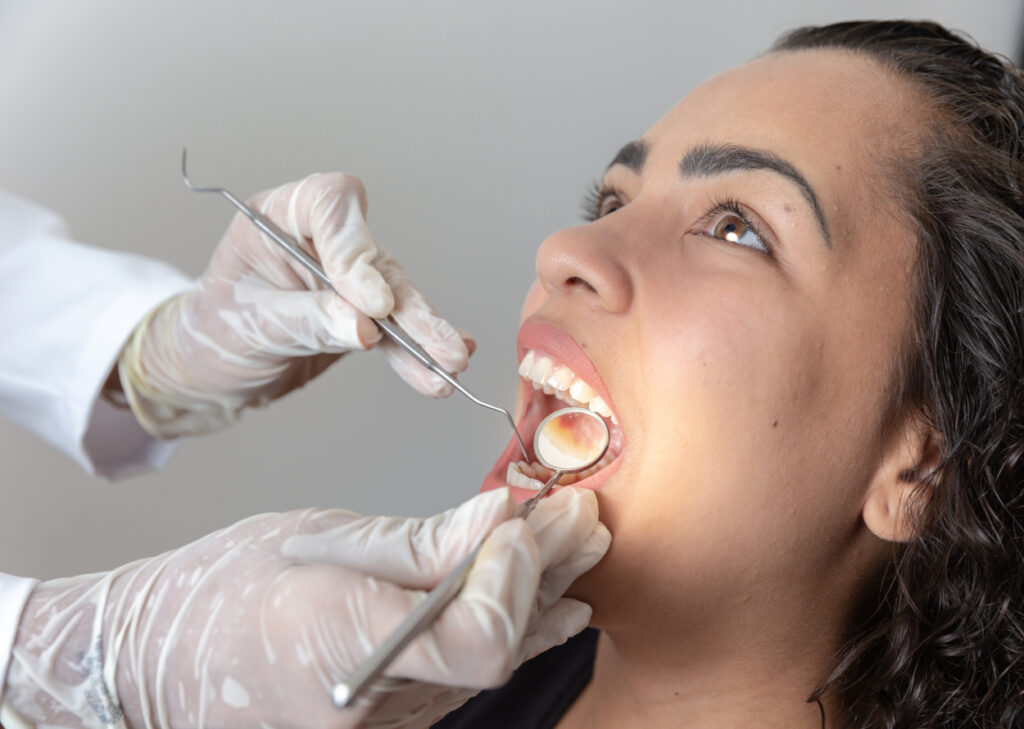
Successful gum disease treatment is not the finish line. It is the point where maintenance begins.
That distinction matters more than many patients realize. Gum tissue can look calmer a few weeks after treatment, bleeding may stop, and teeth may feel cleaner. It is easy to assume the problem is gone for good. In practice, gum disease is more like a chronic inflammatory condition with periods of control and flare-up. Once the supporting tissues around the teeth have been affected, the mouth needs closer attention than it did before.
In a clinical setting, the pattern is familiar. A patient completes scaling and root planing, perhaps follows it with localized antibiotics or surgical care, feels dramatically better, then gradually slips back into old habits. Six months later, plaque has hardened into tartar, bleeding returns, and pockets that had improved begin to deepen again. Not every case follows that script, but enough do that recurrence prevention deserves as much emphasis as the original treatment.
The encouraging part is that recurrence is often preventable. Not perfectly, not in every case, and not without effort, but very often. The strongest results usually come from a combination of professional maintenance, home care that is done well rather than just done often, and thoughtful management of health factors that keep inflammation alive.
Why recurrence happens even after effective care
Gum disease rarely returns because treatment “didn’t work” in a simple sense. More often, the disease returns because the conditions that caused it in the first place were only partly changed.
Bacterial plaque begins forming on tooth surfaces within hours after cleaning. That alone is not unusual. The problem develops when plaque remains undisturbed long enough to mature, spread below the gumline, and trigger a persistent immune response. In susceptible patients, the body’s own inflammatory reaction causes much of the tissue breakdown. That is why two people with similar hygiene can have very different outcomes. One develops mild gingivitis that resolves quickly, while another progresses to destructive periodontal disease.
After Gum Disease Treatment, the tissues may heal, pocket depths may shrink, and bacterial load may drop substantially. But the mouth is not reset to zero. Deep grooves, exposed root surfaces, old restorations with rough edges, crowded teeth, dry mouth, diabetes, smoking, clenching, and inconsistent oral care can all recreate the same environment that allowed disease to progress the first time.
Another issue is that recurrence is often quiet at first. Early gum inflammation does not always hurt. Patients commonly say, “I thought everything was fine because nothing was bothering me.” Pain is a poor indicator. Bleeding, bad taste, tenderness when flossing, or subtle puffiness are often more useful warning signs than discomfort.
The first three months matter more than most people think
The period right after treatment has outsized importance. Healing tissue is more vulnerable to disruption, but it is also more responsive to good care. This is when new habits either take hold or fade.
A patient who learns to clean thoroughly around the gumline during the first few weeks after treatment has a much better chance of long-term stability than someone who delays and waits for the next recall visit to “get back on track.” The difference is not motivation alone. Technique improves when it is practiced while instructions are still fresh. If a hygienist or periodontist has shown a patient how to angle a brush or thread floss under a bridge, that skill needs immediate repetition.
This is also when follow-up matters. In many offices, a re-evaluation visit is scheduled about four to eight weeks after non-surgical therapy, though timing varies. That appointment is not just a formality. It allows the clinician to check bleeding points, measure pocket reduction, and identify areas the patient still cannot clean effectively. Sometimes the treatment plan changes at that point. A site that looked questionable before may now be stable, while another area may still need targeted therapy.
Patients who skip this phase often assume all gums heal the same way. They do not. One quadrant may respond beautifully, while another remains inflamed because of a residual deposit, a furcation defect, or a crown margin that catches plaque.
Daily plaque control, done precisely
Most recurrences begin with the same simple problem: biofilm is left at the gumline day after day. Preventing that does not require heroic effort. It requires consistency and decent technique.
Twice-daily toothbrushing is the baseline, but quality is what counts. Bristles should sweep along the gum margin rather than scrub across the middle of the tooth. A soft manual brush can work very well in practiced hands, though many patients do better with an oscillating electric brush because it improves coverage and reduces the temptation to scrub too hard. Overbrushing is not protective. In fact, aggressive pressure can contribute to gum recession and root sensitivity, which then makes a patient avoid certain areas.
Cleaning between the teeth is where many maintenance plans succeed or fail. Interdental spaces are high-risk sites for recurrent inflammation, especially in adults who have already had periodontal breakdown. Floss works best where contacts are tight and the tissue architecture allows it to curve around the tooth. Interdental brushes often outperform floss in larger spaces because they physically disrupt plaque on concave root surfaces that floss may miss. Water flossers can be useful adjuncts, especially for patients with bridges, implants, orthodontic appliances, or limited dexterity, though they should not automatically replace mechanical cleaning where a brush or interdental cleaner can fit.
Technique has to be adapted to the mouth in front of you. Someone with lower incisor crowding needs a different strategy than someone with open embrasures after bone loss. This is where generic advice falls short. The best home-care routine is the one a patient can actually perform thoroughly every day.
Mouthwash can help, but it is not the main event
A common misconception after Gum Disease Treatment is that a therapeutic rinse can do most of the work. It cannot.
Antimicrobial rinses may reduce bacterial load and help calm inflammation, especially during periods when mechanical cleaning is difficult. Chlorhexidine is sometimes prescribed short term after active treatment, but it is not designed for indefinite use in most cases because it can stain teeth, alter taste, and encourage overreliance. Essential oil or cetylpyridinium-based rinses may offer modest support for daily maintenance, but they should be viewed as secondary tools.
Think of mouthwash as support, not substitute. Plaque is a structured biofilm attached to tooth surfaces. It needs to be disrupted physically. Swishing a liquid through the mouth may reduce some suspended bacteria, but it does not reliably remove mature deposits tucked below the gumline or between teeth.
Professional maintenance is not “just a cleaning”
One of the biggest predictors of recurrence is whether a patient returns for periodontal maintenance on the schedule recommended by the treating office. That schedule is often every three to four months at first, not every six months. To some patients, that sounds excessive. Clinically, it makes sense.
Tartar can form quickly in susceptible mouths, and bacterial populations can rebound long before a standard six-month recall. More importantly, maintenance visits allow repeated monitoring of pocket depths, bleeding on probing, mobility, recession, furcation involvement, and localized changes that a patient would never notice at home. The goal is not simply polishing teeth. The goal is catching instability early enough to reverse it before new attachment loss occurs.
Patients sometimes ask whether they can switch back to routine cleanings once their gums “seem healthy.” Sometimes yes, but not automatically. A history of periodontitis changes risk. Even patients with excellent home care often benefit from a shorter recall interval because they have vulnerable sites that need professional review.
At these visits, small findings matter. A 6-millimeter pocket bleeding consistently at the same molar may indicate persistent disease even if the rest of the mouth looks stable. A filling margin that has become rough can change how plaque accumulates. A new medication causing dry mouth can shift bacterial balance. Maintenance works because it is responsive, not generic.
Smoking and nicotine remain major obstacles
If there is one factor that repeatedly undermines otherwise good treatment outcomes, it is tobacco use. Smoking reduces blood flow, alters the immune response, slows healing, and makes recurrent disease more likely. It also masks obvious warning signs. Smokers can have severe periodontal destruction with surprisingly little bleeding, which creates a false sense of control.
Nicotine pouches, vaping, and smokeless tobacco are sometimes framed as less relevant to gum health than cigarettes. The reality is more complicated. While risk profiles differ, nicotine itself affects blood vessels and healing, and many alternative products still contribute to tissue irritation, dry mouth, or behavior patterns that interfere with recovery.
Patients do not need a lecture. They need a realistic explanation of trade-offs. Quitting improves periodontal prognosis, often significantly, but relapse is common and support matters. Even reduction can be meaningful in some cases, though complete cessation remains the ideal. A patient who invests in Gum Disease Treatment while continuing heavy smoking should understand that the treatment is working against a persistent biologic disadvantage.
Medical conditions can quietly drive inflammation
Periodontal stability depends on more than brushing and dental appointments. Several systemic conditions change how the gums respond to bacteria and how well tissues repair.
Diabetes is the clearest example. Poor glycemic control is strongly associated with more severe periodontal inflammation and slower recovery. The relationship is two-way. Active periodontal disease can make blood sugar harder to manage, and uncontrolled blood sugar can make the gums harder to stabilize. Patients with A1C levels that fluctuate widely often see those changes reflected in their gum health.
Dry mouth is another underestimated risk factor. Saliva helps buffer acids, clear food debris, and regulate the oral environment. When it drops because of medications, autoimmune disease, radiation therapy, or chronic mouth breathing, plaque can build more aggressively and tissues become more prone to irritation. A patient taking antidepressants, antihypertensives, antihistamines, or certain bladder medications may suddenly find that the routine that once worked is no longer enough.
Hormonal changes, immune suppression, and chronic stress also influence recurrence risk. Stress deserves special mention because it rarely acts alone. People under prolonged stress may clench more, sleep poorly, snack more often, skip oral care, smoke more, or miss appointments. The gums reflect those patterns.
Diet is less about perfection and more about frequency
Food does not cause gum disease the way plaque does, but diet can shape the environment in which inflammation thrives. Frequent intake of sticky carbohydrates and sugary drinks feeds oral bacteria and encourages a mouth that is never fully at rest. Constant grazing can be more damaging than an occasional dessert because it keeps plaque active all day.
A patient does not need an extreme diet to protect the gums. What helps most is reducing the number of daily exposures that leave residue around the teeth, especially when oral hygiene cannot follow soon after. Crunchy produce, protein-rich meals, plain water, and meals eaten at defined times tend to be easier on periodontal health than sipping sweetened beverages all afternoon.
Nutrition also matters on the tissue side. Healing gums need adequate protein, vitamins, and minerals, particularly in patients recovering from surgery or dealing with chronic inflammation. Deficiencies are not the first cause most clinicians look for, but poor overall nutrition can blunt recovery.
Dental work can create plaque traps if it is not maintained
Not all recurrence is caused by patient habits alone. The shape and condition of existing dental work often plays a role.
Overhanging fillings, bulky crowns, open margins, poorly designed bridges, and ill-fitting partial dentures can create areas that are unusually hard to clean. Even excellent brushers struggle when a restoration does not respect the natural contour of the tooth. If one site continues to bleed despite good home care, the question should not always be “Are you flossing?” Sometimes the better question is whether the tooth has a local factor that keeps plaque in place.
Nightguards and orthodontic retainers also deserve attention. Appliances collect biofilm rapidly if they are not cleaned properly. A patient may be meticulous with toothbrushing yet reintroduce bacteria nightly through a poorly maintained retainer. Those details matter.
Learn the early warning signs and act quickly
Patients who keep gum disease under control for years are rarely people with perfect mouths. More often, they are people who respond early when things change.
The signs worth watching are usually subtle at first. Bleeding during brushing or https://sergiobqwc430.brightsora.com/posts/gum-disease-treatment-for-persistent-gum-inflammation flossing that persists for more than a few days is not something to ignore. A bad taste near one tooth, tenderness when chewing, a small swelling at the gumline, new sensitivity along a root, or a tooth that suddenly feels harder to clean all deserve attention. Waiting for severe pain is a mistake because periodontal flare-ups can progress with surprisingly little discomfort.
A practical self-check once a week can catch early problems:
- Look for bleeding when cleaning between the teeth.
- Notice any area that feels swollen, tender, or warmer than usual.
- Check for persistent bad breath or a bad taste from one spot.
- Pay attention to food trapping where it did not happen before.
- Call the dental office if any of those changes last more than a week.
That kind of observation is not obsessive. It is preventive. Patients who spot changes early often avoid more invasive retreatment later.
The right maintenance plan is personal, not generic
No single protocol fits every patient after Gum Disease Treatment. Someone in their thirties with localized disease around crowded lower incisors has different needs than a retiree with generalized bone loss, implants, dry mouth, and type 2 diabetes. The maintenance plan should reflect that.
For some people, the critical tool is an interdental brush in two specific molar spaces. For others, it is smoking cessation support, a revised recall interval, or replacement of rough restorations. One patient may need repeated coaching on brushing pressure because recession is becoming a problem. Another may need a water flosser because arthritis makes floss impossible to use reliably.
This is where professional judgment becomes valuable. The best periodontal providers do not merely identify disease. They identify the reasons this particular mouth is at risk of relapse. That distinction shapes everything that follows.
When surgery has been part of treatment
Patients who have had flap surgery, bone grafting, guided tissue regeneration, or gum grafting often assume the surgical result itself is what keeps disease away. Surgery can be extremely effective, but it does not remove the need for maintenance. In some ways, it increases the need for careful long-term care because surgically treated sites may have altered anatomy that demands better hygiene access.
For example, after osseous surgery, pockets may become shallower and easier to clean, which is a real advantage. Yet furcation areas on molars can remain difficult even after excellent therapy. A grafted area may be stable but vulnerable if plaque control slips. Patients with implants next to previously diseased teeth need particularly close supervision because peri-implant inflammation can develop with fewer warning signs than natural-tooth periodontitis.
The core message is simple: successful surgery improves the conditions for health, but it does not create immunity.
What often separates stable patients from recurrent cases
Over time, a few patterns become obvious. Patients who stay stable are not necessarily the ones who buy the most products or brush the longest. They are the ones who build routines that are sustainable and stay engaged with follow-up care.
They tend to do a few things consistently:
- They clean the gumline and between the teeth thoroughly, not hurriedly.
- They keep periodontal maintenance visits even when the mouth feels fine.
- They report small changes early rather than waiting for a crisis.
- They address outside risk factors such as smoking, dry mouth, or poor diabetes control.
- They accept that prevention is ongoing, not temporary.
That mindset is what makes the difference. Gum disease tends to return when oral care becomes reactive. It stays controlled when care becomes routine.
A final practical perspective
Patients sometimes ask for the single best way to prevent recurrence. There is no single best way, because recurrence usually has more than one cause. But there is a reliable approach: reduce the bacterial burden every day, remove what home care misses on a professional schedule, and control the health factors that make the gums overreact.
That approach is not glamorous. It does not rely on miracle rinses or one-time deep cleanings repeated indefinitely. It is built on steady, measurable habits. Good brushing. Effective interdental cleaning. Regular periodontal maintenance. Attention to systemic health. Timely response when the mouth changes.
When those pieces are in place, Gum Disease Treatment has a far better chance of lasting. The gums stay quieter, pockets remain more stable, and future care becomes simpler, less invasive, and more predictable. For most patients, that is the real goal, not just treating disease once, but keeping it from taking hold again.
Avra Dental
Address: 1708 S Victoria Ave B, Ventura, CA 93003
Phone number: +18057653206
FAQ About Gum Disease Treatment
Can I make my gums healthy again?
Yes, you can make early-stage gum disease completely healthy again, but advanced damage requires professional care to manage.
Can you cure gum disease?
You can cure early-stage gum disease, but advanced gum disease cannot be fully cured.
Can I live a normal life with gum disease?
Yes, you can live a normal life with gum disease, but it requires active, lifelong management to control the condition and prevent serious complications